
Why INCI Lists Don’t Always Tell the Full Story
July 3, 2026
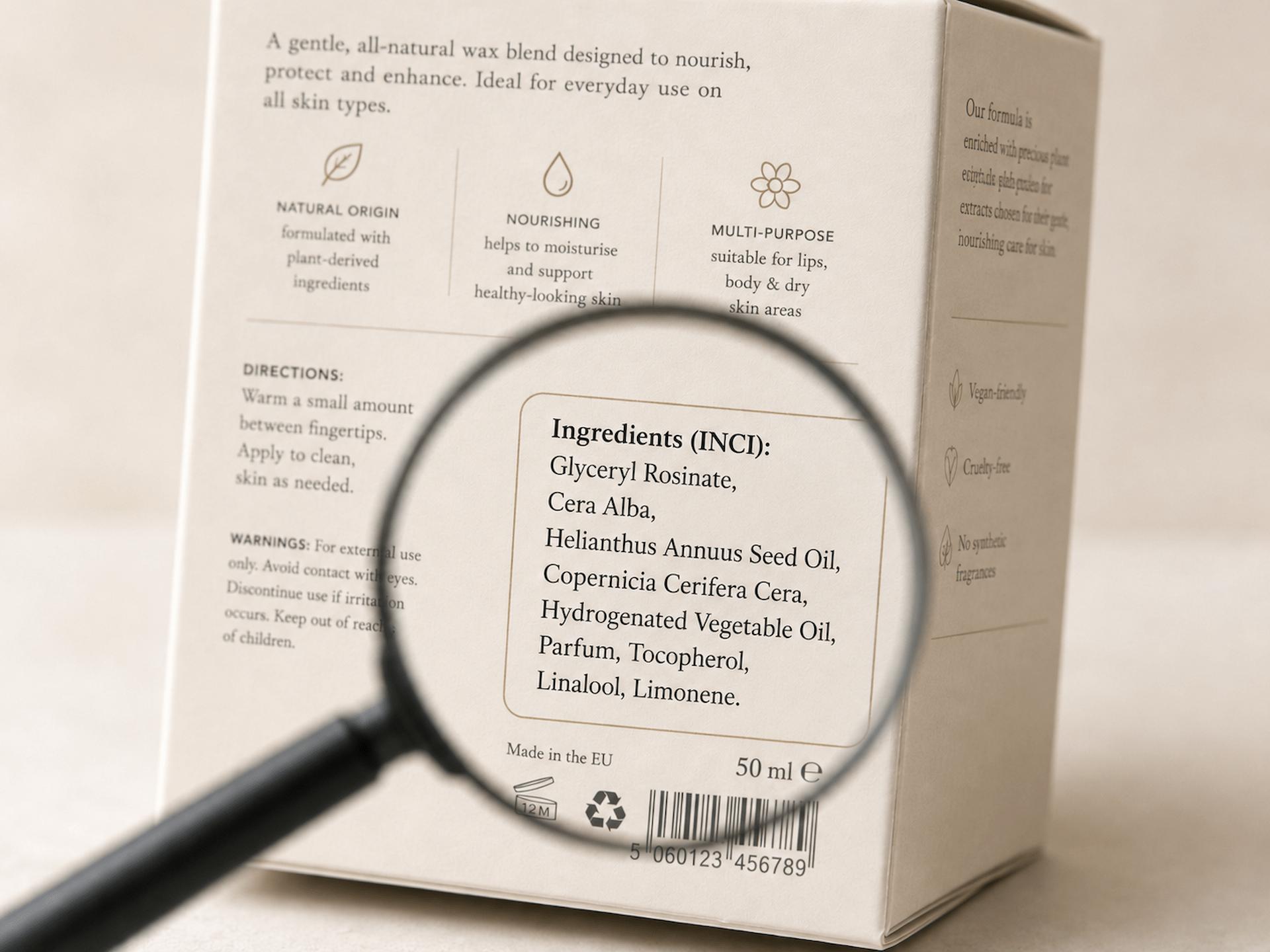
When comparing depilatory waxes, it’s common to start with the ingredient list. The INCI (International Nomenclature of Cosmetic Ingredients) list gives an internationally recognised view of what’s in a product, and on paper, many waxes look very similar.
In practice, performance between depilatory waxes can vary significantly, even when the INCI lists are identical. The reason comes down to what an INCI list can’t show you: grade of material, processing methods, and formulation decisions.
What is INCI?
INCI is the standardised naming system used to list cosmetic ingredients on product labels. It’s required for regulatory transparency and lets users worldwide see what a product contains.
Ingredients are listed in descending order of concentration, from highest to lowest. In a depilatory wax formulation, this typically puts the resin(s) at the top of the list, with additives further down.
What an INCI list doesn’t show
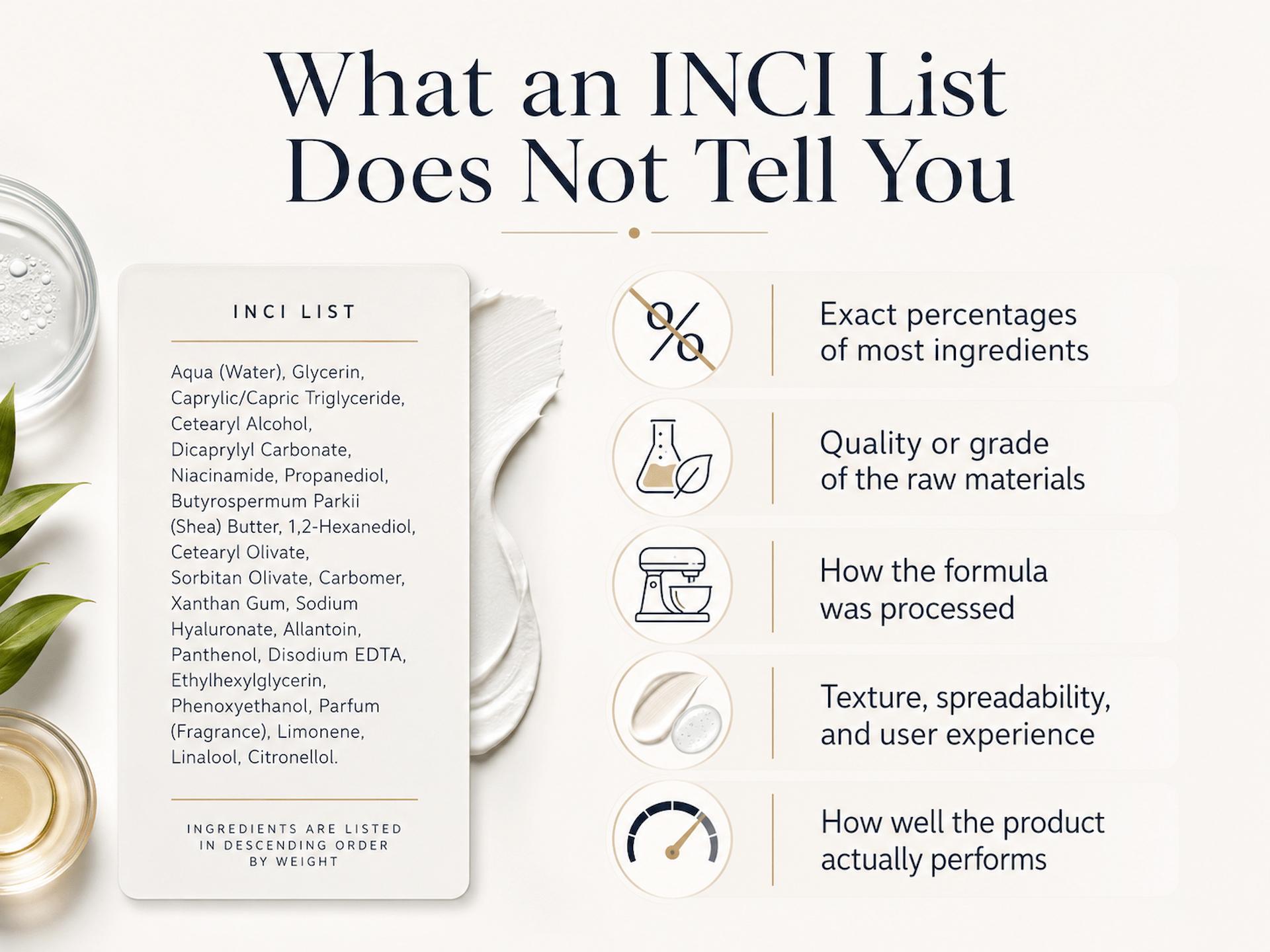
An INCI list tells you which type of ingredient is used. It doesn’t tell you:
- The grade(s) of that material
- How it’s been processed
- How consistent it is batch to batch
- Why it was selected
- Which region or supplier it comes from
These details are what determine how a wax actually performs.
Not all resins are the same
Resins are the backbone of most depilatory wax formulations. You’ll commonly see:
- Natural resins such as Colophonium, Glyceryl Rosinate, or Triethylene Glycol
- Synthetic resins such as Polycyclopentadiene
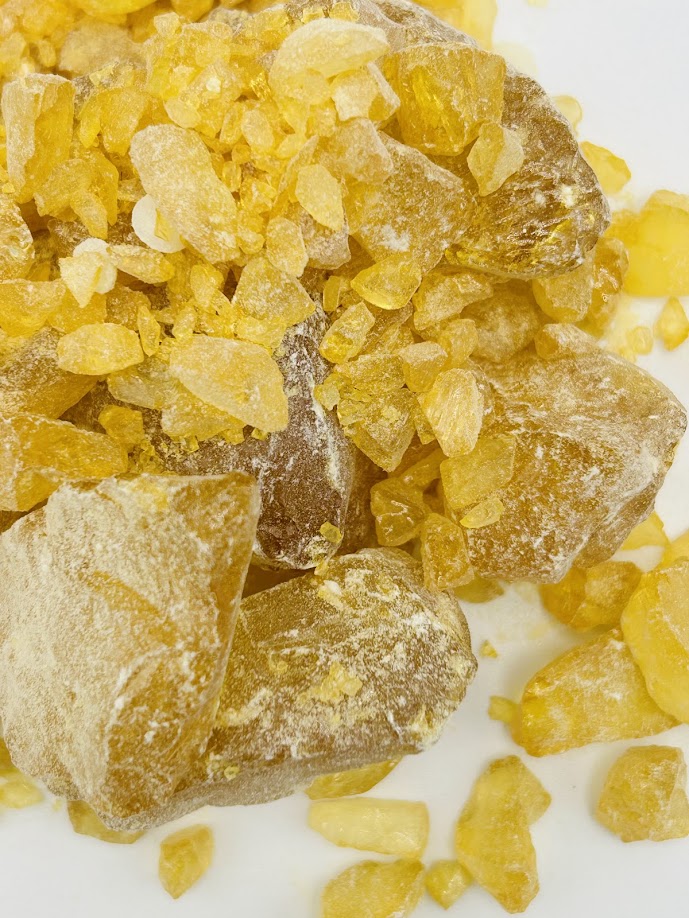
On an INCI list, each of these appears as a single raw material. In reality, each one exists across a wide range of grades. Some grades are formulated for depilatory wax, offering the adhesion and flexibility that application requires. Others are made for entirely different uses: casting wax for sculpture and jewellery, special-effects materials for film production, or hot-melt adhesives for packaging.
The grade chosen has a direct effect on how the wax applies and removes, and that choice depends on the function required and how the resin interacts with the rest of the formulation.
Oils and waxes follow the same pattern
The same variation applies to the other components in a formulation.
Mineral oils (INCI: Paraffinum Liquidum) come in multiple grades, differing in refinement and viscosity, which affects flexibility and skin feel.
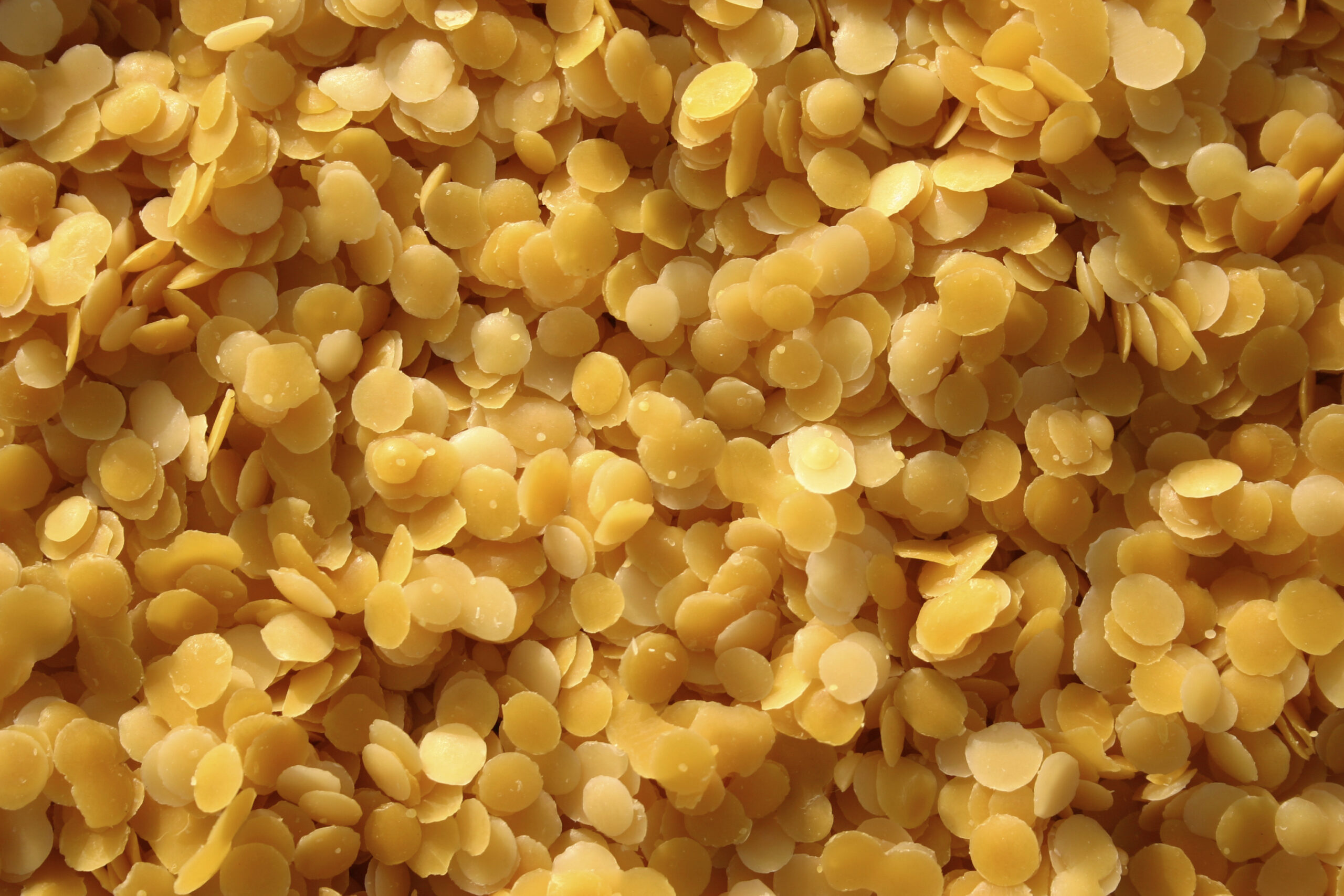
Microcrystalline waxes (INCI: Cera Microcrystallina) vary in crystal structure, which changes melting point, flexibility, and how the wax sets.
Natural waxes such as carnauba, beeswax, and soy wax also differ depending on origin and processing, which affects both performance and cost.
None of this detail shows up on an INCI list, but it has a significant effect on how the finished product behaves.
Formulation is about balance
Even with well-selected materials, performance depends on how they’re combined. Small adjustments to a formulation can change:
- Application behaviour
- Setting time
- Flexibility
- Depilation performance
- Application temperature
These are the differences a user notices immediately in the salon or at home, even without knowing what caused them.
How we approach formulation at Darent Wax
We work across multiple industries, from cosmetics to industrial applications, which means we handle a wide range of resin, oil, and wax grades rather than a fixed standard set. When we formulate a depilatory wax, we select each material for its function within that specific product: adhesion, flexibility, melting point, and skin feel are all considered together.
This is also why we’re able to advise customers switching from another supplier. Matching an INCI list is a starting point, but replicating actual performance takes a closer look at grade and formulation.
Looking beyond the ingredient list
For brands, the INCI list still matters. It supports regulatory compliance and gives users a baseline level of transparency. But it shouldn’t be the only reference point when assessing a product. Two waxes with matching INCI lists can perform very differently in use.
The ingredient list shows what’s in a product. It doesn’t show the decisions behind it, and in depilatory wax, those decisions are what separate a standard wax from a high-performance one.
Common questions
What is INCI and why does it matter for wax products?
INCI (International Nomenclature of Cosmetic Ingredients) is the standardised system for listing what’s in a cosmetic product. It’s required for regulatory compliance and consumer transparency, but it lists ingredient types, not grades or sourcing.
Can two waxes have the same INCI list but perform differently?
Yes. Each ingredient category, such as resin, mineral oil, or microcrystalline wax, covers a wide range of grades suited to different applications. The specific grade used has a major effect on melting point, flexibility, and depilation performance, and none of that is visible on the label.
How can I compare two depilatory waxes beyond the ingredient list?
Test them side by side and record specifics: application temperature, setting time, how the wax feels on application and removal, and how effectively it removes hair. This gives you a direct performance comparison that an INCI list alone can’t.
Why do some resin grades work better for depilatory wax than others?
The same resin, such as Colophonium or Polycyclopentadiene, is manufactured in grades intended for different industries: depilatory wax, casting wax, adhesives, or special effects. Only certain grades give the adhesion and flexibility depilatory wax needs.
Does the source of a raw material affect wax performance?
Yes. Region and processing method affect the consistency and characteristics of materials like natural waxes and mineral oils, which in turn affects how the finished wax performs and what it costs to produce.
Try it for yourself
The most useful way to evaluate a current product is to test it against an alternative directly, noting application temperature, feel, and depilation performance.
Need some help?
At Darent Wax, we work across a wide range of raw materials and formulations developed for multiple industries, which shapes how we build and refine our depilatory waxes. If you’d like to talk through your current formulation or request a sample, get in touch with our team.